%3Aformat(webp)%2Fday_detail%2Fc3c16b24-ef5a-4ec9-bab9-b3e75c81c1d7-21537555876_21acce7f77_k.jpg&w=1920&q=75)
Kurashiki Bikan Historical Quarter: A Journey Through Time
Explore the charming canals and preserved Edo-period architecture of Kurashiki's historic merchant district.
Informations sur : Centre historique de Bikan
Nestled in Okayama Prefecture, the Kurashiki Bikan Historical Quarter is a beautifully preserved area that transports visitors to Japan's Edo period (1603–1867). Once a bustling merchant hub, the district features traditional white-walled storehouses (kura) and black-tiled roofs lining picturesque canals, originally constructed for transporting goods. Today, these historic buildings house museums, boutiques, and cafes, blending cultural heritage with modern charm. Strolling along the willow-lined waterways or taking a traditional boat tour offers an immersive experience into Kurashiki's storied past.
Faits intéressants à propos de : Centre historique de Bikan
Ohara Museum of Art: Established in 1930, it was Japan's first museum dedicated to Western art, featuring works by Monet, Matisse, and Renoir.
The district conceals electrical wires to maintain the authenticity of its historical appearance.
Designated as an Important Preservation District for Groups of Traditional Buildings, the area exemplifies Japan's commitment to preserving its architectural heritage.
Visitors can enjoy guided boat rides along the canal, offering unique perspectives of the historic surroundings.
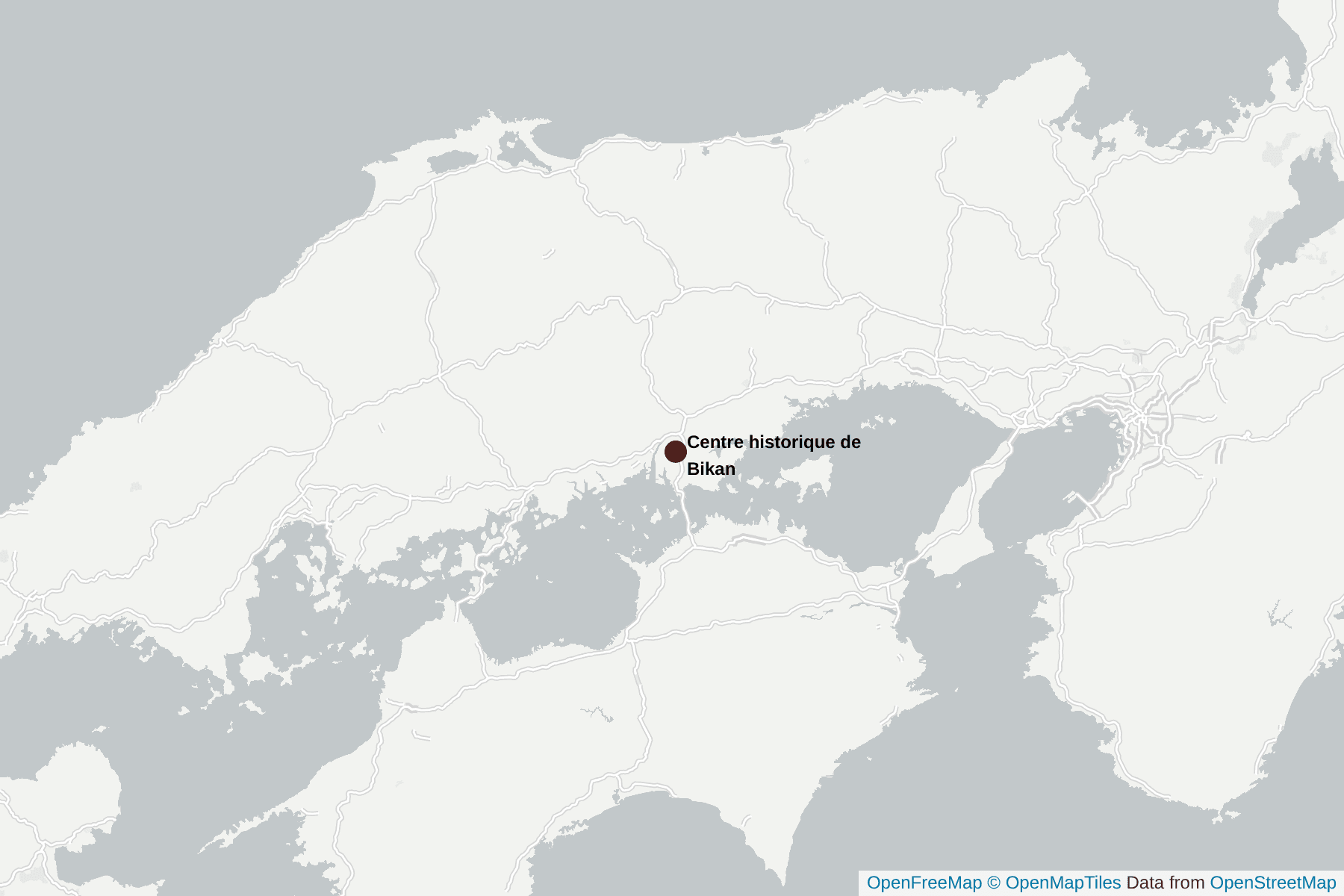
Où est Centre historique de Bikan ?
%3Aformat(webp)%2Fimg%2F2048x1536%2F277055.jpg&w=1920&q=75)